
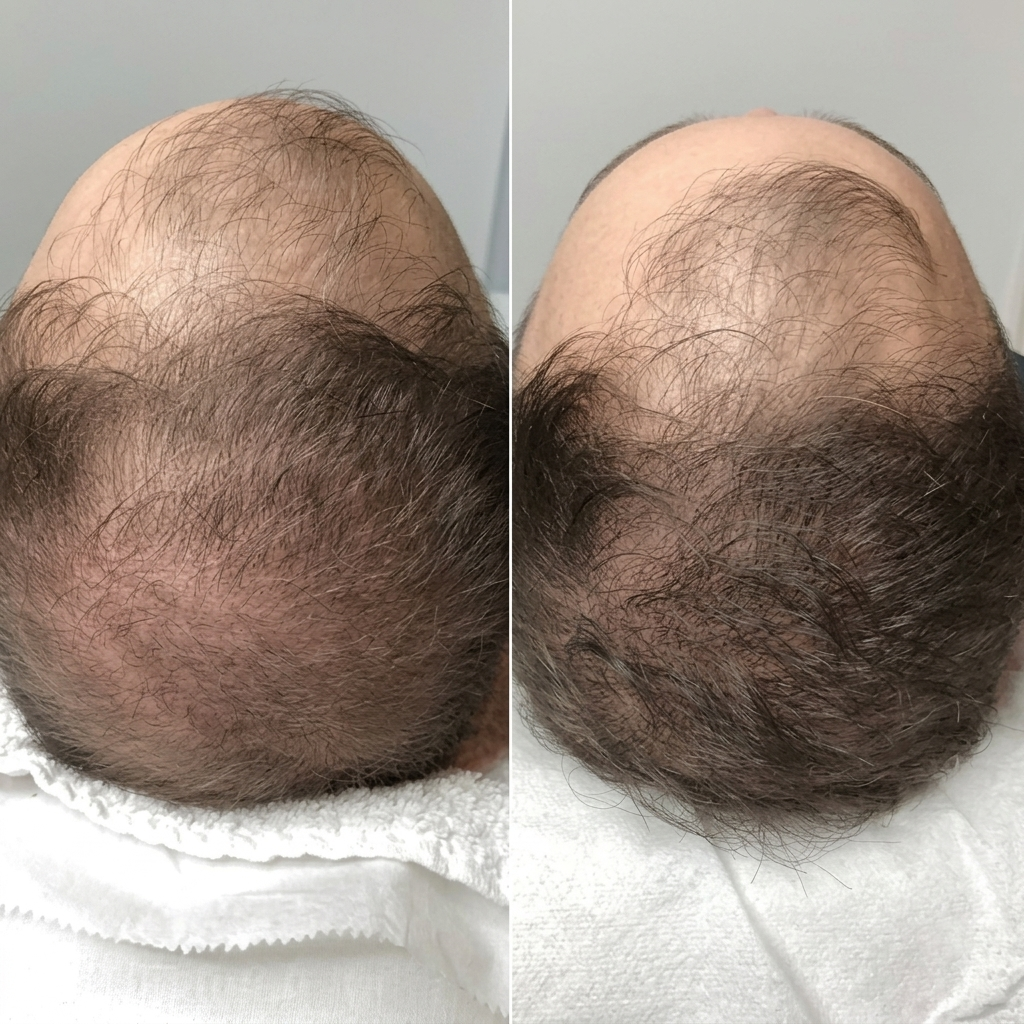
Exosome therapy is attracting significant attention in regenerative medicine and medical aesthetics. Unlike treatments that fill or lift, exosomes are intended to influence how cells behave — prompting repair, renewal, and regeneration at a biological level. But it’s a field where marketing often moves faster than clinical evidence. This article explains what exosomes are, what the current research shows, and what a realistic understanding of the treatment looks like.
What Are Exosomes?
Exosomes are extracellular vesicles — tiny particles released by cells as part of cell-to-cell communication. They carry proteins, lipids, RNA, and growth factors from one cell to another, effectively delivering instructions that influence cell behaviour.
In the context of skin rejuvenation, exosomes derived from stem cells (most commonly plant stem cells or human mesenchymal stem cells) are used because of their ability to carry signals that promote collagen production, cellular repair, and skin regeneration. When applied or injected into skin tissue, they communicate with resident cells in ways that can trigger a healing and renewal response.
How Exosome Therapy Is Delivered
In aesthetic medicine, exosomes are typically delivered through:
- Microneedling followed by topical application — creating microchannels in the skin through which exosome serums penetrate more deeply
- Direct injection — into the dermis, similar to a skin booster protocol
- After laser or energy-based treatments — to support skin healing and improve outcomes
The combination of microneedling with exosomes is currently among the most common delivery methods and has the most clinic-level evidence behind it.
What the Science Currently Shows
It’s important to be honest about where the evidence stands. Research into exosomes for skin rejuvenation is active and growing, with promising results in early clinical studies — but it remains early-stage compared to treatments like hyaluronic acid fillers or PDO threads, which have decades of clinical data behind them.
Current evidence suggests exosome therapy may:
- Promote collagen and elastin synthesis in the dermis
- Improve skin hydration and barrier function
- Accelerate wound healing and recovery after procedures
- Reduce the appearance of fine lines and improve skin texture over time
- Support hair follicle health when applied to the scalp
These effects have been observed in preclinical studies and smaller clinical trials. Large-scale, long-term randomized controlled trials in aesthetic applications are still limited. The treatment is being used clinically ahead of that full evidence base — which is not uncommon with emerging regenerative therapies but is worth understanding before committing.
Exosome Therapy vs PRP: How They Compare
PRP (platelet-rich plasma) is the older and better-studied regenerative treatment. It works by concentrating your own platelets and growth factors and reintroducing them to stimulate repair. Exosomes work differently — rather than a broad growth factor response, they deliver specific cell-signalling molecules that may produce a more targeted and consistent stimulus.
Neither is clearly superior in all applications. Some patients and providers use both. The choice depends on specific goals, available evidence for a particular condition, and individual response.
Related reading: PRP Facial vs. Mesotherapy — Which Regenerative Treatment Fits Your Skin? | Exosome Therapy Explained — What It Is, How It Works, and Who Is It For?
What to Expect from an Exosome Treatment
Outcomes vary depending on skin condition, delivery method, product quality, and individual response. Patients who respond well often report:
- Improved skin radiance and hydration within days of treatment
- Gradual improvement in texture and fine lines over 4–8 weeks
- Reduced recovery time when combined with other procedures
A single session may produce noticeable improvement, but as with most regenerative treatments, a series of sessions is recommended for cumulative benefit.
Product Quality Matters Significantly
Not all exosome products are equivalent. The source of the exosomes (plant vs. stem cell-derived), concentration, storage, and formulation all affect what’s being delivered. This is an area where provider selection is particularly important — ask what product is being used, where it’s sourced, and how it’s stored and handled.
Exosome Therapy at MJ Aesthetics North York
At MJ Aesthetics in North York, exosome-based treatments are discussed in the context of your overall skin health goals. Mehran Javidan, IMG, will give you an honest picture of what the current evidence supports and what’s realistic for your specific skin concerns — not a promise of outcomes that aren’t backed by data.
All procedures are performed under appropriate physician delegation in accordance with Ontario’s Regulated Health Professions Act. Mehran Javidan is an International Medical Graduate (IMG) and is not currently registered as a physician with the College of Physicians and Surgeons of Ontario.
Book a consultation at MJ Aesthetics to discuss exosome therapy and whether it fits your skin rejuvenation goals.
Frequently Asked Questions
Is exosome therapy safe?
Exosome products used in aesthetic medicine are generally well tolerated. Side effects are typically mild and transient — redness, minor swelling at the injection site — consistent with other injectable treatments. As with any newer therapy, long-term safety data is still accumulating. Choosing products with established sourcing and handling standards reduces risk.
How many sessions are needed?
A typical initial protocol involves 2–3 sessions spaced 4–6 weeks apart, followed by maintenance as needed. The right number depends on your goals and how your skin responds after the initial series.
Can exosome therapy be combined with other treatments?
Yes. Exosome therapy is commonly combined with microneedling, laser treatments, and PRP. It can also be used as a standalone skin quality treatment. The combination approach is discussed during consultation based on individual goals.